James Roney: Pioneering Minds in Science, Psychology, and Human Behaviour
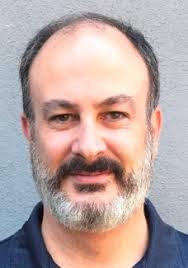
The name James Roney resonates in multiple fields of study, ranging from behavioural science to computational biology. Although several individuals share this name, the ones who have made a significant mark on modern research are particularly noteworthy. These figures, through their work, have advanced our understanding of human behaviour, the impact of hormones, and cutting-edge computational models in biology. This article explores the life, career, and contributions of James Roney, delving into the breadth of his impact and why his research continues to influence contemporary science.
Who is James Roney?
When we talk about James Roney, we primarily refer to researchers and professionals who have earned recognition in psychology and computational biology. Among them, the two most prominent are:
James Roney, the Behavioural Psychologist, specialising in human reproductive behaviour and hormone-driven motivation.
James P. Roney, the Computational Biologist, known for his contributions to protein modelling and molecular simulations.
Both have carved out remarkable careers, albeit in very different domains, yet they share a commitment to advancing knowledge through rigorous research.
James Roney: The Behavioural Psychologist
Early Life and Academic Background
James Roney, the behavioural psychologist, completed his doctoral studies in psychology at the University of Chicago, one of the leading institutions for psychological research. His early academic exposure to human development and behavioural science laid the foundation for a career focused on understanding the subtle influences of biology on human behaviour.
Research Focus and Contributions
James Roney’s primary area of interest lies in how hormones influence human behaviour, particularly in the context of mating and social interactions. His research examines the ways in which ovarian hormones such as estrogen and progesterone impact female behaviour, mate selection, and social motivation.
Hormones and Human Behaviour
One of Roney’s key contributions is highlighting how hormonal fluctuations can predict changes in behavioural patterns. His studies reveal that during certain phases of the menstrual cycle, women demonstrate variations in attractiveness perception, risk-taking, and social engagement. This research has important implications for understanding evolutionary psychology and reproductive strategies.
Broader Implications
Roney’s work extends beyond human mating behaviour. His findings provide insight into broader psychological phenomena, such as motivation, reward systems, and decision-making processes. By linking hormonal cycles to behaviour, he offers a biological perspective that complements traditional psychological theories.
Recognition and Impact
The behavioural research conducted by James Roney has influenced both academic circles and public understanding of human psychology. His studies are frequently cited in psychological journals and serve as foundational work for ongoing research in human behavioural endocrinology.
James P. Roney: The Computational Biologist
Early Life and Education
James P. Roney, the computational biologist, has established a reputation for pioneering work in protein modelling and molecular simulations. He holds advanced degrees in computer science and statistics, with a focus on bioinformatics and computational biology.
Career Highlights
Roney has worked at highly respected institutions, including MIT, and has held positions at D. E. Shaw Research, a leading organisation in computational chemistry. His career is marked by a dedication to using machine learning and computational models to solve complex biological problems, particularly those related to protein structure and design.
Research in Protein Modelling
Proteins are fundamental to all biological processes, and understanding their structure is critical for advancements in medicine, genetics, and biotechnology. James P. Roney’s work utilises AI-driven models to predict protein folding and design novel proteins. This research is crucial for drug discovery, understanding disease mechanisms, and bioengineering.
Contributions to Science
By combining computational techniques with biology, Roney has made it possible to accelerate research that would traditionally take years of lab work. His studies improve the accuracy of predictive models and facilitate a deeper understanding of molecular interactions, enabling scientists to make more informed decisions in medical research and biotechnology.
Recognition and Fellowships
James P. Roney is also a Hertz Fellow, a prestigious recognition for young scientists and engineers in the United States. This honour underscores his potential to influence future scientific innovation significantly. His work has been presented at international conferences and is frequently referenced in computational biology publications.
The Broader Influence of James Roney
Advancing Human Understanding
Whether in psychology or computational biology, the research associated with James Roney demonstrates the importance of interdisciplinary study. Both the behavioural and computational strands of his work contribute to an overarching goal: improving human understanding through scientific inquiry.
In Psychology
In behavioural science, the insights from James Roney’s research help explain human decision-making, attraction, and social behaviour. These findings are particularly useful in evolutionary psychology, social neuroscience, and even practical applications such as health interventions and relationship counselling.
In Computational Biology
On the computational front, James P. Roney’s research impacts drug design, genetic engineering, and disease modelling. By leveraging machine learning and AI, he has created pathways for faster, more accurate scientific discoveries.
Inspiring Future Generations
Both individuals serve as role models for aspiring scientists. They illustrate the importance of dedication, curiosity, and interdisciplinary collaboration. Students and researchers looking to enter behavioural science or computational biology can draw inspiration from their rigorous methods and innovative approaches.
Challenges and Future Prospects
Challenges in Behavioural Science
Research in human behaviour often faces challenges such as ethical considerations, variability in human responses, and difficulties in experimental control. Despite these hurdles, James Roney has consistently produced reliable findings that advance knowledge and inform practical applications.
Challenges in Computational Biology
Similarly, computational biology must contend with limitations in computing power, the complexity of biological systems, and the accuracy of predictive models. James P. Roney’s work demonstrates how computational techniques can overcome these challenges, but ongoing research and innovation are essential to maintain progress.
Future Directions
Looking ahead, the work of both James Roneys will continue to influence their respective fields. In psychology, future research may explore more nuanced interactions between hormones and social environments. In computational biology, advances in AI and machine learning will further enhance our ability to understand and manipulate biological systems.
Conclusion
The name James Roney represents a bridge between disciplines, combining rigorous scientific inquiry with a dedication to improving human understanding. From behavioural psychology to computational biology, his contributions illustrate the profound impact of research on both academic knowledge and practical applications.
By studying hormone-driven behaviour and advancing computational models of biological systems, James Roney exemplifies the best of modern science: curiosity, precision, and an unrelenting commitment to discovery. For students, researchers, and enthusiasts alike, his work provides both inspiration and a roadmap for future exploration.
In a world increasingly shaped by science and technology, the contributions of James Roney remain a testament to the transformative power of research. His work continues to inspire, challenge, and inform, cementing his legacy in the annals of human knowledge.