Debbie Abrahams: A Political Journey of Leadership, Advocacy, and Public Service
Introduction
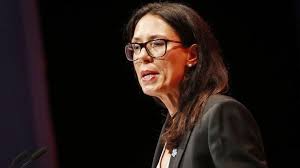
Debbie Abrahams is a well-recognised figure in British politics, known for her outspoken advocacy on social justice, welfare reform, disability rights, and health inequalities. Since entering Parliament in 2011 as the Labour MP for Oldham East and Saddleworth, she has played a significant role in shaping debates on fairness and accountability within government policies. Her career has combined academic expertise, public health experience, and political leadership, making her one of the most distinctive voices in the Labour Party.
This article delves into the life and career of Debbie Abrahams, highlighting her background, political achievements, controversies, and her continuing role in Westminster.
Early Life and Education
Deborah Angela Elspeth Marie Abrahams, born on 15 September 1960 in Sheffield, grew up with a keen interest in public service and social equity. Her academic background reflects her determination to understand and influence issues related to health and well-being.
Undergraduate Studies: She earned a degree in biochemistry and physiology at the University of Salford, equipping her with a strong scientific foundation.
Postgraduate Work: She later gained a Master of Education from the University of Liverpool, reflecting her interest in both public health and education.
Her early academic path was not only focused on research but also aimed at applying knowledge in practical ways to improve the lives of people in disadvantaged communities.
Early Career and Public Health Roles
Before stepping into parliamentary politics, Debbie Abrahams built a notable career in public health and community work. She was actively involved in promoting health equity and addressing inequalities in deprived areas of the North of England.
Community Engagement
Her early work involved charitable organisations, particularly in Wythenshawe, where she worked to improve access to community health services. This experience grounded her understanding of the struggles faced by ordinary people, especially in areas suffering from poverty and lack of opportunity.
Leadership in Public Health
Knowsley Healthy Cities: She became the head of healthy cities for Knowsley, leading initiatives to improve health outcomes across local communities.
Primary Care Trust Chair: In 2002, she was appointed chair of Rochdale Primary Care Trust, taking responsibility for improving healthcare provision.
Academic Contributions: Between 2006 and 2010, she directed the International Health Impact Assessment Consortium at the University of Liverpool, focusing on health inequalities and policy evaluation.
These roles made her a respected voice in public health and prepared her for the national stage.
Entry into Politics
Debbie Abrahams entered Parliament through the 2011 Oldham East and Saddleworth by-election, following the disqualification of the sitting MP, Phil Woolas. Her election marked the beginning of a parliamentary career defined by advocacy for the vulnerable and holding government departments to account.
Parliamentary Career
Championing Disability Rights
Abrahams became widely known for her focus on welfare and disability rights. She has often challenged government reforms to disability benefits, arguing that assessments for “fitness to work” were causing undue hardship and even contributing to deaths among vulnerable claimants.
Her work has consistently raised awareness about the human impact of austerity measures and the Department for Work and Pensions’ policies.
Shadow Ministerial Roles
Shadow Minister for Disabled People (2015–2016): In this role, she scrutinised policies that affected people with disabilities and called for more compassionate systems.
Shadow Secretary of State for Work and Pensions (2016–2018): She was later promoted to a key frontbench position, where she continued her campaign against unfair welfare cuts and demanded greater transparency from the government.
Committee Leadership
In September 2024, Debbie Abrahams was elected Chair of the Work and Pensions Select Committee, a position of influence that allows her to hold government ministers accountable and shape discussions on welfare reform.
Key Issues and Campaigns
Welfare and Benefits Reform
Abrahams has been a leading critic of the Universal Credit system and the way benefit claimants are assessed. She has consistently argued that government policies must protect dignity and prevent people from falling into poverty.
Equality and Human Rights
In 2019, she urged the Equality and Human Rights Commission to investigate the Department for Work and Pensions over alleged failures to protect vulnerable claimants. She highlighted the need for transparency, after claims that documents about deaths of benefit recipients were covered up.
COVID-19 Contracts Challenge
During the pandemic, Debbie Abrahams joined other MPs in challenging the government over how contracts were awarded, emphasising the importance of accountability and fairness in public spending.
Controversies
Like many public figures, Debbie Abrahams has faced challenges and controversies.
Bullying Allegations
In 2018, she was removed from her role as Shadow Work and Pensions Secretary after allegations of bullying were made against her by staff. An internal investigation concluded that there had been a pattern of inappropriate behaviour. Abrahams strongly denied the accusations, arguing that she had been treated unfairly. Despite the controversy, she has continued to serve as an active MP, winning re-election and maintaining support within her constituency.
Personal Life
Outside of politics, Debbie Abrahams has a family life rooted in sports and community. She married John Abrahams, a former captain of Lancashire County Cricket Club, in 1986. Together, they have two daughters, Victoria and Dawn.
Her family background and long marriage have provided stability throughout her demanding career in politics.
Legacy and Continuing Influence
Debbie Abrahams’ career demonstrates the blend of academic expertise, grassroots community work, and political advocacy. Her legacy is especially strong in the areas of health equity, disability rights, and welfare reform.
Why She Matters in British Politics
She represents the voice of disadvantaged communities, ensuring they are not left out of parliamentary debates.
She has been a constant critic of austerity policies, emphasising their real-world human consequences.
Her election as chair of a key select committee in 2024 shows that she remains a respected and influential figure.
Conclusion
Debbie Abrahams’ journey from public health expert to influential Labour MP highlights a career dedicated to fairness, equality, and justice. While her political path has included controversies, her commitment to social issues and accountability in government remains clear.
As the political landscape in Britain continues to evolve, Abrahams stands as a reminder of the importance of combining compassion with leadership. For her supporters, she is a principled and tireless advocate for the vulnerable; for critics, she is a challenging figure who does not shy away from confrontation. Regardless of perspective, Debbie Abrahams’ impact on British politics is undeniable.